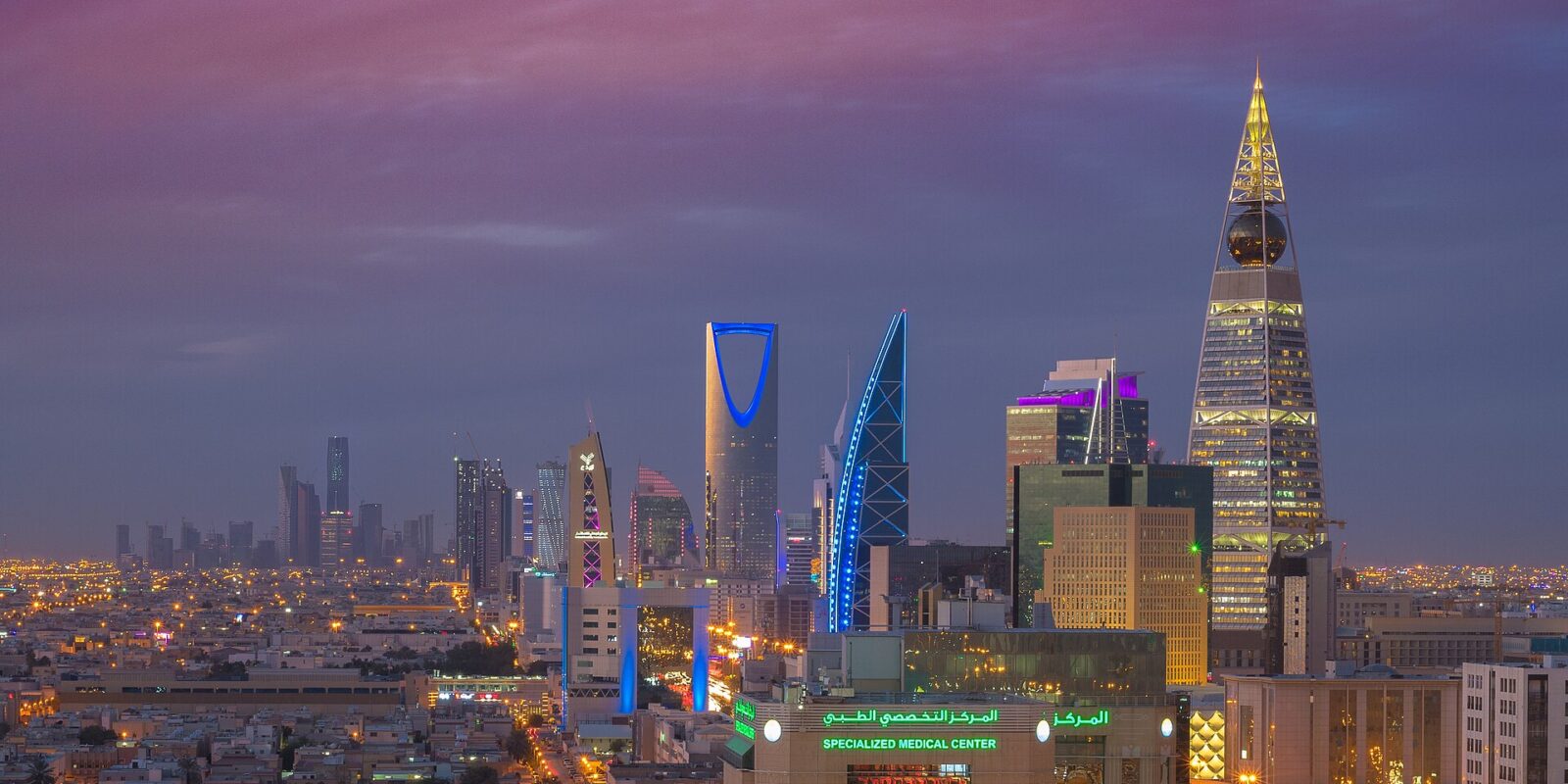
Riyadh vs Jeddah is the first real fork in the road for anyone planning a short trip to Saudi Arabia, and this guide settles it. The short version: pick Jeddah for the Red Sea coast and relaxed evenings, pick Riyadh for museums, national heritage and desert day trips, and pick AlUla if you want the ancient, only-in-Saudi wonder that beats both. I have flown between all three, and the Riyadh vs Jeddah question almost always comes down to climate, vibe and how much time you have. Below I break down the Riyadh vs Jeddah trade-offs city by city, then show exactly where AlUla changes the maths entirely.
In this guide
- The quick answer: Riyadh vs Jeddah (and where AlUla fits)
- Riyadh vs Jeddah: climate and when to go
- Riyadh vs Jeddah: what each city does best
- Where AlUla changes the Riyadh vs Jeddah decision
- Riyadh vs Jeddah on cost, food and getting around
- How to combine them: flights and itineraries
- Riyadh vs Jeddah vs AlUla: which should you pick?
- Frequently asked questions
The quick answer: Riyadh vs Jeddah (and where AlUla fits)
If you only have time to read one line: in the Riyadh vs Jeddah match-up, Jeddah wins for first-time visitors who want an easy, laid-back landing, while Riyadh wins for travellers chasing modern institutions, big museums and dramatic desert scenery. Neither, though, delivers the jaw-drop that AlUla does.
Here is how I frame it for friends. Coast, seafood and slow evenings on the corniche mean Jeddah. National heritage at Diriyah plus the Edge of the World desert cliffs mean Riyadh. Ancient rock-cut tombs and surreal sandstone canyons mean AlUla, no contest. Most people fixate on the Riyadh vs Jeddah decision and forget the third option is the one they will actually remember.
My honest advice: if you have a single long weekend, do not agonise over Riyadh vs Jeddah at all. Fly to AlUla, because it gives the strongest “only in Saudi” payoff for the time invested. Save the Riyadh vs Jeddah face-off for when you have a full week and can pair a city with the desert.
Riyadh vs Jeddah: climate and when to go
Climate is where the Riyadh vs Jeddah split is sharpest, and it should probably drive your decision more than any attraction list. Riyadh sits inland on a high desert plateau. Summers are brutal and dry, regularly pushing past 40 C from June to September, with some afternoons nearer 45 C. The upside is a real winter: December and January can be a crisp 8-20 C, which is when Riyadh is at its best.
Jeddah, on the Red Sea, never gets that cold and never gets Riyadh’s dry-oven feel. Instead it trades the heat for humidity. Winters are warm and pleasant (roughly 20-30 C), and even summer evenings by the water stay bearable if sticky. So in the Riyadh vs Jeddah timing question, Jeddah is the more forgiving year-round choice, while Riyadh rewards you for visiting between November and March.
For AlUla, the season matters just as much: the desert is glorious from October to March and punishing in high summer. I have written a full breakdown in our guide to the best time to visit AlUla, and the same cool-season logic applies to Riyadh. If you are travelling in July, honestly, the answer tilts hard toward Jeddah and its sea breeze.
One practical tip on packing: Riyadh mornings in winter can genuinely be jacket weather, while Jeddah stays t-shirt warm almost year-round. The shoulder months of March-April and October-November are the sweet spot for both, giving you comfortable sightseeing days without the deep-summer furnace. Dress modestly in both cities regardless of season; lightweight, loose, covering clothing is the most comfortable choice anyway.
Riyadh vs Jeddah: what each city does best
Both cities are worth a couple of days, but they reward completely different travellers. Here is the Riyadh vs Jeddah breakdown by what you actually do on the ground.
Riyadh: capital, museums and the desert edge
Riyadh is the capital and the country’s business engine, and it feels like it: wide highways, glassy towers and serious cultural investment. The headline sight is Diriyah, whose At-Turaif district of mud-brick palaces was inscribed by UNESCO in 2010 as the birthplace of the first Saudi state. Entry runs on the Diriyah Pass, from around SAR 50 per person, and children 12 and under go free; the fee is redeemable against food at the Bujairi Terrace restaurants next door.
Riyadh’s other trump card is the Edge of the World, a set of sheer 300-metre cliffs about 100 km from the city. You need a 4×4 and ideally a guided tour; reckon on a 1.5-hour drive each way and a half- or full-day trip. Add the National Museum and the view from the Kingdom Centre sky bridge, and Riyadh easily fills two or three days. In the Riyadh vs Jeddah contest, this desert-plus-institutions combo is Riyadh’s real edge.
There is more if you have time: the leafy Wadi Hanifah valley for a cooler afternoon walk, the JAX contemporary-art district in Diriyah, and Boulevard World, a sprawling entertainment zone that comes alive in the cooler Riyadh Season months. The city rewards planning rather than wandering, so I map out two or three anchor sights a day and let the rest follow.
Jeddah: Al-Balad, the corniche and the Red Sea
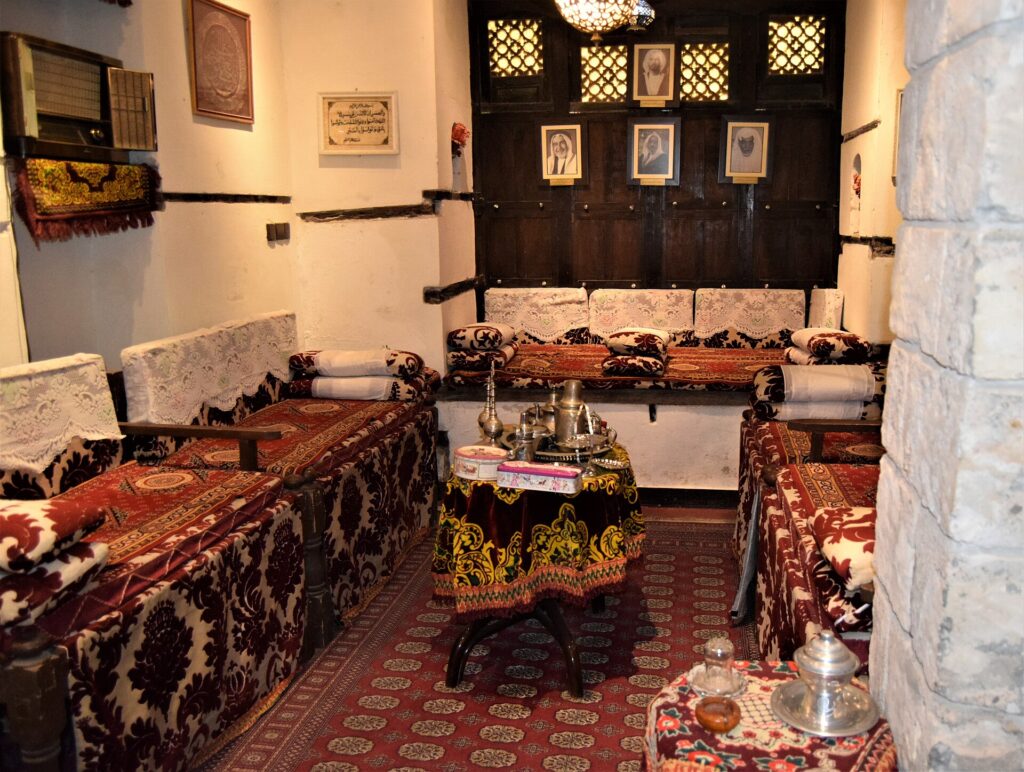
Jeddah is the historic Red Sea port and it wears its role lightly. The star is Al-Balad, the old town of tall coral-stone houses with carved wooden roshan balconies, inscribed by UNESCO in 2014 as Saudi Arabia’s third World Heritage Site. Wander it at dusk, eat at a hole-in-the-wall, then walk the corniche as families picnic by the water.
Jeddah is also your Red Sea diving and snorkelling base, with reefs a short boat ride offshore, and the seafood is the best in the country. This is the softer, more relaxed side of the Riyadh vs Jeddah pairing: less to “tick off,” more to simply soak up. If your idea of a good trip is grilled hammour, sunset over the water and no rush, Jeddah takes the Riyadh vs Jeddah round outright.
Beyond Al-Balad, I would leave time for the Al-Rahma (Floating) Mosque perched over the water, the towering King Fahd Fountain that shoots hundreds of metres into the sky at night, and the open-air sculpture museum along the corniche. Jeddah’s growing gallery and cafe scene gives evenings an easy rhythm that Riyadh, for all its scale, does not quite match.
Where AlUla changes the Riyadh vs Jeddah decision
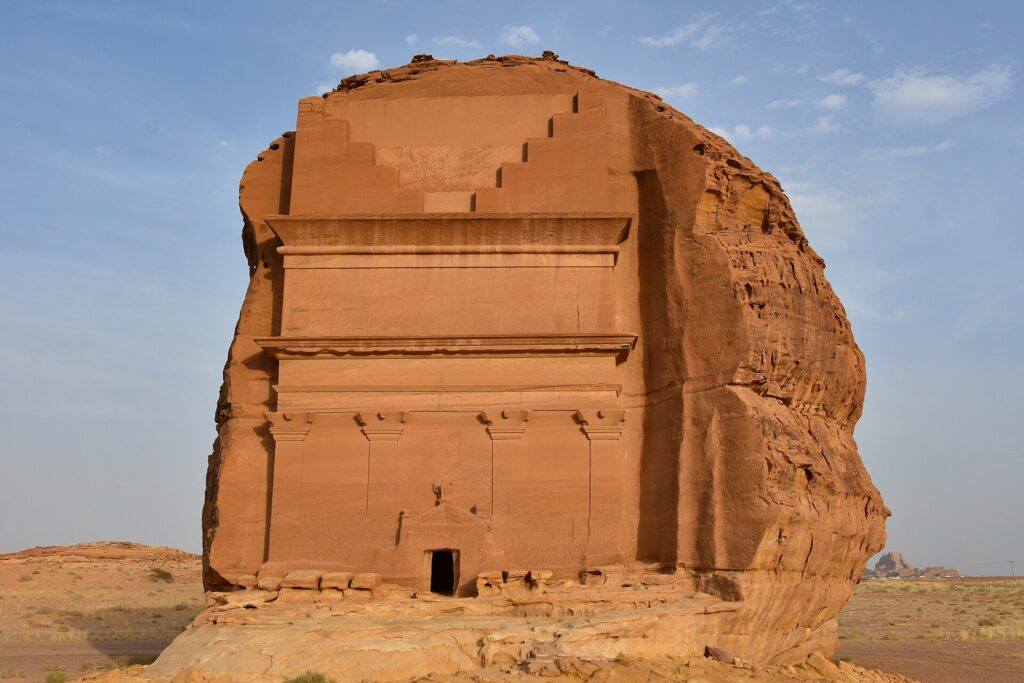
Here is the twist I wish someone had told me sooner: the entire Riyadh vs Jeddah debate is a debate about good cities, when the country’s single best destination is neither. AlUla is a desert region in the north-west built around Hegra, Saudi Arabia’s very first UNESCO World Heritage Site, inscribed in 2008.
Hegra is the great southern sister of Petra: more than 100 monumental Nabataean tombs carved into honey-coloured sandstone, almost empty of crowds. Beyond it you get Elephant Rock, the sweeping Ashar Valley, and old AlUla’s mud-brick old town. Evenings bring some of the clearest stargazing in the country, sunrise hot-air-balloon flights drift over the canyons, and the mirrored Maraya concert hall is a sight in itself. Nothing in the Riyadh vs Jeddah conversation comes close to this concentration of ancient wonder and cinematic landscape.
You can book Hegra through the official Experience AlUla platform: the standard guided coach tour starts from around SAR 95 per person and lasts about two hours, with an audio guide in five languages. If you are torn on the Riyadh vs Jeddah question mainly because you want something unforgettable, that is your sign to add AlUla, or to make it the whole trip. Our roundup of things to do in AlUla covers the rest, and if you know Jordan, our AlUla vs Petra comparison explains why Hegra holds its own.
Riyadh vs Jeddah on cost, food and getting around
On day-to-day budget the Riyadh vs Jeddah difference is small; both are mid-priced by Gulf standards and cheaper than Dubai. Riyadh leans slightly pricier on hotels thanks to business demand, while Jeddah’s food scene gives better value, especially for seafood. Here is a rough real-numbers snapshot to plan around.
| What | Riyadh | Jeddah | AlUla |
|---|---|---|---|
| Signature UNESCO site | Diriyah / At-Turaif (2010) | Al-Balad (2014) | Hegra (2008, the first) |
| Heritage entry | Diriyah Pass from ~SAR 50 | Al-Balad free to wander | Hegra tour from ~SAR 95 |
| Best months | Nov-Mar | Oct-Apr (year-round OK) | Oct-Mar |
| Summer high | Often 43-45 C, dry | ~38-40 C, humid | Often 42 C+, dry |
| Signature day trip | Edge of the World (~100 km) | Red Sea diving / corniche | Elephant Rock, Ashar Valley |
| Airport taxi to centre | ~SAR 60-90 | ~SAR 50-80 | ~SAR 40-70 |
As a rough guide, a clean mid-range hotel runs from around SAR 350-600 a night in either city, with Riyadh trending higher during business weeks and big events. A generous seafood dinner for two in Jeddah might land around SAR 150-250; a casual meal is far less. Ride-hailing hops across town usually cost SAR 15-40. None of this is Dubai-expensive, and both cities reward travellers who mix a splurge dinner with cheap, superb street food.
Getting around is another Riyadh vs Jeddah contrast. Riyadh is enormous and car-dependent, though the new metro now links several key districts; you will still lean on ride-hailing apps. Jeddah is more walkable in its historic core, and you can genuinely explore Al-Balad and the corniche on foot. For food, both cities do superb Saudi and pan-Arab cooking, but I give Jeddah the culinary edge in the Riyadh vs Jeddah tasting round for its Red Sea seafood alone.
How to combine them: flights and itineraries
The good news is you may not have to choose at all. Riyadh and Jeddah are linked by dozens of nonstop flights a day, hopping the country in under two hours (roughly 1 hour 50 minutes in the air) on carriers like Saudia, flynas and flyadeal. Both cities also connect to AlUla by air, so a loop trip is very doable. Most nationalities can now get a tourist eVisa online in minutes, which makes stringing several stops together far less of a headache than it once was.
From Riyadh, nonstop flights to AlUla (airport code ULH) take about 1 hour 55 minutes and run a couple of times most days on flynas and Saudia. From Jeddah the connection is similarly quick. If you would rather drive part of the way, our guide on how to get to AlUla lays out every route and the realistic drive times.
My suggested week, and the way I would resolve the Riyadh vs Jeddah standoff for a first trip: two nights Jeddah (Al-Balad and the sea), fly to AlUla for two or three nights (Hegra and the desert), then one or two nights in Riyadh (Diriyah and Edge of the World) before flying home. For a fuller plan, see our first-time Saudi Arabia itinerary.
Riyadh vs Jeddah vs AlUla: which should you pick?
Time to recap the Riyadh vs Jeddah vs AlUla decision in plain terms, because the “right” answer depends entirely on what you value.
- Choose Jeddah if you are a first-timer who wants an easy, relaxed introduction: coast, coral-stone old town, seafood and warm winters. In a pure Riyadh vs Jeddah call for beginners, Jeddah usually wins.
- Choose Riyadh if you want the capital’s museums, national heritage at Diriyah and the desert drama of the Edge of the World. Riyadh takes the Riyadh vs Jeddah title for culture-and-institutions travellers.
- Choose AlUla if you want the single most memorable stop: Hegra, Elephant Rock and canyon scenery. It sidesteps the Riyadh vs Jeddah argument entirely and, for a short trip, it is what I would book first.
So if a reader forced me to settle Riyadh vs Jeddah in one breath: Jeddah for the soft landing, Riyadh for the deeper cultural dive, and AlUla above both if you can only do one. Get a full week and you honestly do not have to pick a side in the Riyadh vs Jeddah debate at all, because a smart loop gives you the best of all three.
Frequently asked questions
Riyadh vs Jeddah: which is better for a first-time visitor?
For most first-timers, Jeddah is the easier landing in the Riyadh vs Jeddah choice. It is more relaxed, walkable in its historic core, has a milder coastal climate and the seafood-and-corniche evenings feel welcoming. Riyadh is better if your priority is museums, national heritage and desert day trips rather than easing in gently.
Is Riyadh or Jeddah hotter?
Riyadh is hotter and much drier, with summer afternoons regularly above 40 C and sometimes near 45 C. Jeddah is a few degrees cooler but humid because of the Red Sea. In the Riyadh vs Jeddah climate question, Jeddah is the more comfortable choice in summer, while Riyadh shines from November to March.
How far is AlUla from Riyadh and Jeddah?
By air, AlUla is about 1 hour 55 minutes nonstop from Riyadh and a similar hop from Jeddah, with flights most days on flynas and Saudia. Driving is possible but long (roughly 8-10 hours from Riyadh), so most visitors fly. This is why AlUla pairs so easily with either city despite the Riyadh vs Jeddah distance.
Can I visit all three in one trip?
Yes, and it is the ideal answer to the Riyadh vs Jeddah dilemma. With about a week you can spend two nights in Jeddah, two or three in AlUla and one or two in Riyadh, connected by short domestic flights. That way you never have to truly settle the Riyadh vs Jeddah argument.
Which has better food, Riyadh or Jeddah?
Both are excellent, but Jeddah edges the Riyadh vs Jeddah food contest thanks to its Red Sea seafood and lively Al-Balad street-food scene. Riyadh counters with a fast-growing fine-dining scene and the Bujairi Terrace restaurants beside Diriyah, so committed foodies will not go hungry in either city.