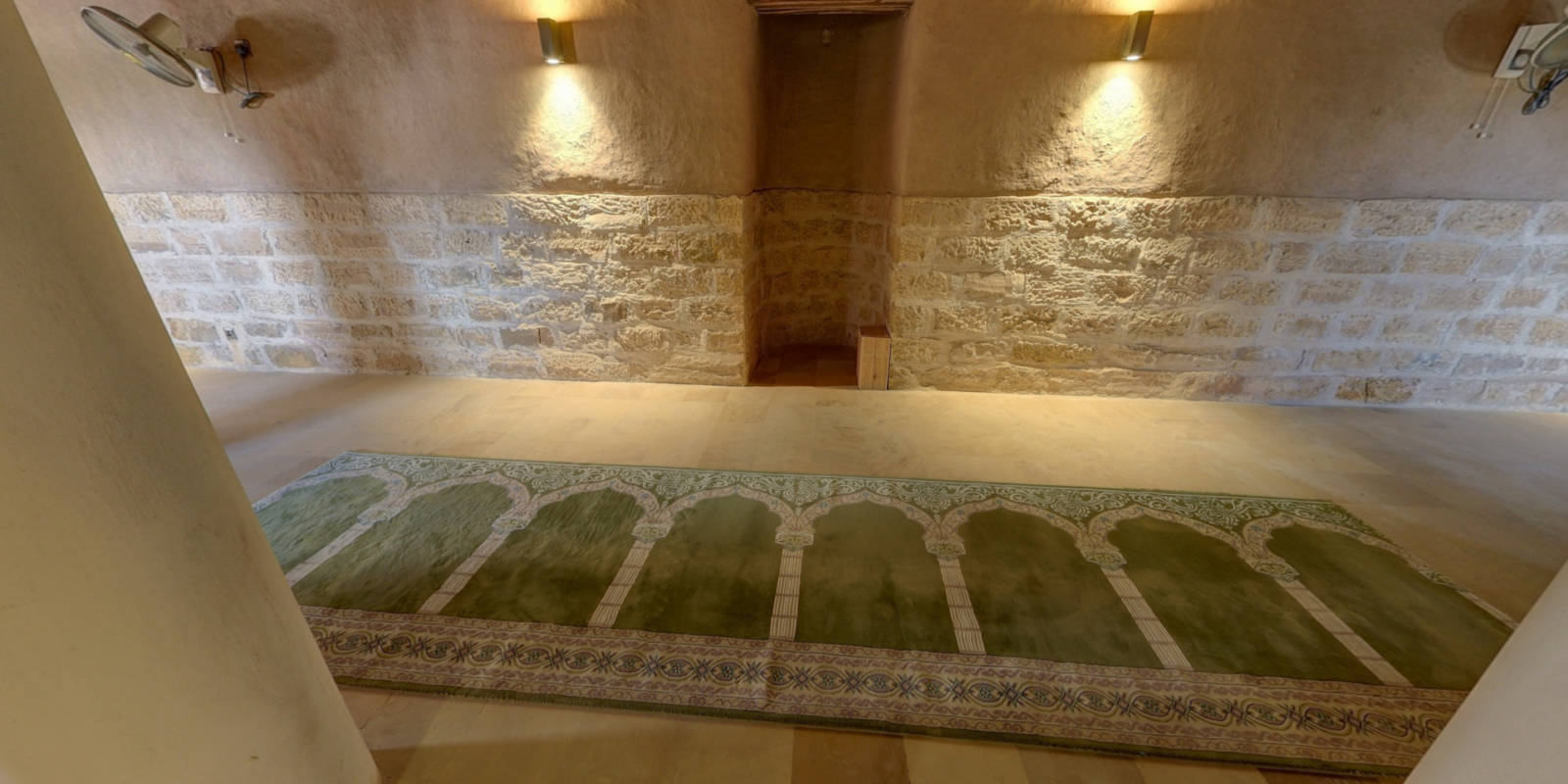
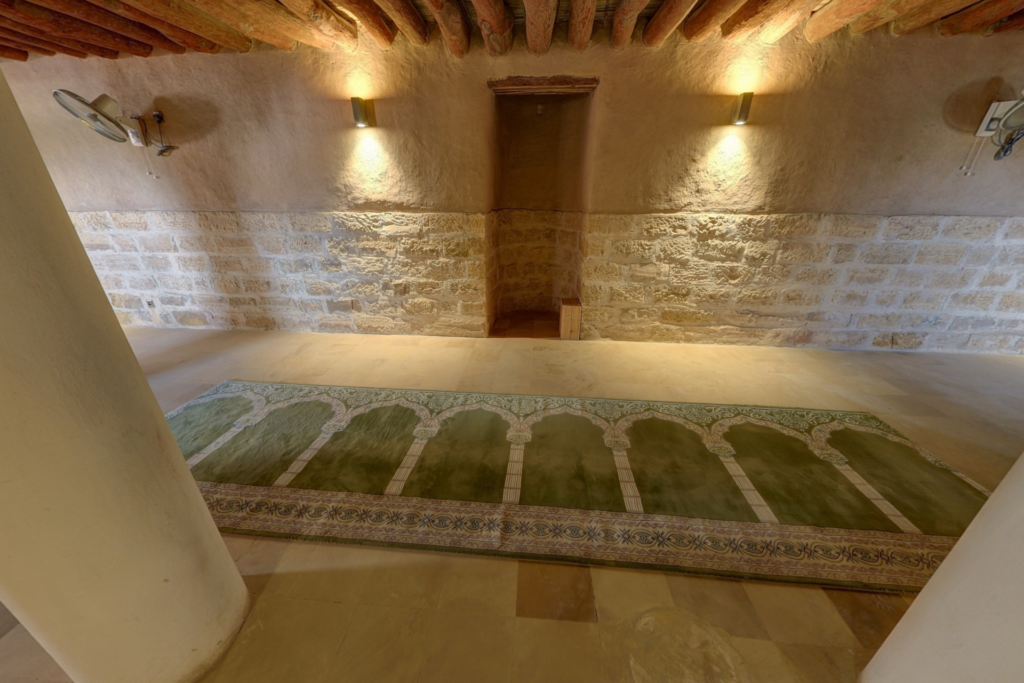
Diriyah At-Turaif is the mud-brick citadel on the northwestern edge of Riyadh where the first Saudi state was founded in 1744, and it is the single most rewarding half-day trip you can make from the city. I visited on a cool evening in spring, bought a Diriyah Pass for SAR 50 at the gate, and spent three hours walking the restored alleys around Salwa Palace before eating at the adjacent Bujairi Terrace. This guide covers exactly what you need: current 2026 ticket prices, opening hours, how to get there without public transport, what to see inside the UNESCO site, and where to eat afterwards.
In this guide
- What is Diriyah At-Turaif?
- Diriyah At-Turaif tickets and the Diriyah Pass
- Opening hours and the best time to visit
- How to get to Diriyah At-Turaif
- What to see inside At-Turaif
- Dining at Bujairi Terrace
- Practical tips for visiting Diriyah At-Turaif
- Combining your visit with other Riyadh sights
- Frequently asked questions
What is Diriyah At-Turaif?
Quick answer: Diriyah At-Turaif is a UNESCO World Heritage Site inscribed in 2010, a walled district of Najdi mud-brick buildings that served as the capital of the first Saudi state from 1744. It sits within the wider Diriyah development about 15 km northwest of central Riyadh, next to the Wadi Hanifa valley.
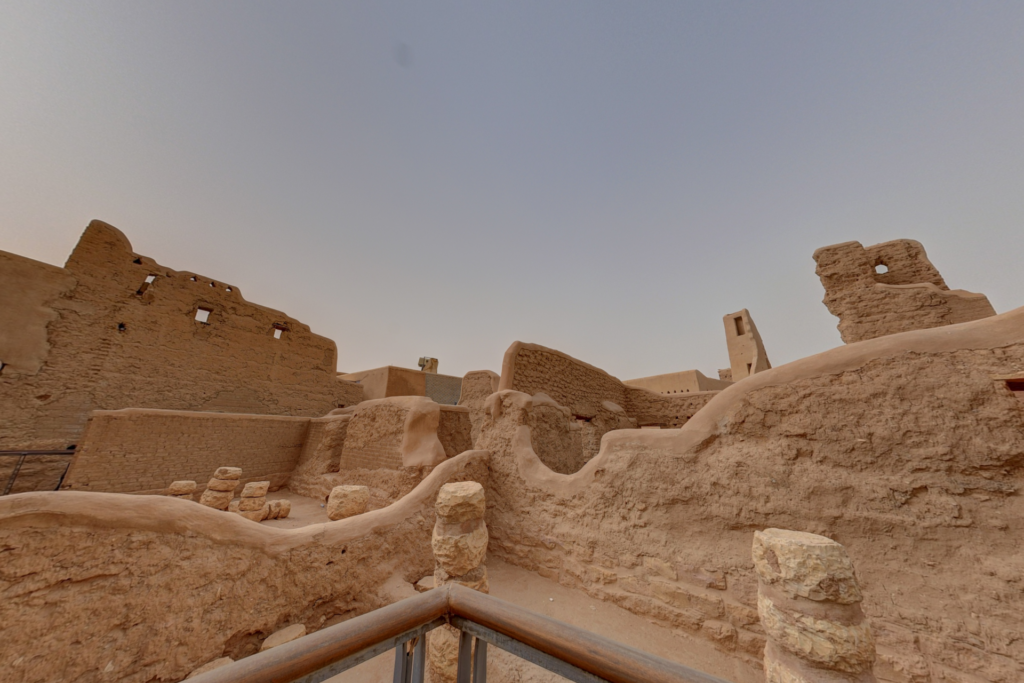
At-Turaif is the historic heart of Diriyah. This is where the alliance between Muhammad bin Saud and the reformer Muhammad bin Abdul Wahhab was struck, and where the ruling family built its palaces, mosques and homes from the same pale earth the valley provided. The centrepiece is Salwa Palace, a multi-storey complex that once housed the emirs.
What makes Diriyah At-Turaif unusual among Riyadh attractions is that it is genuinely old, not a reconstruction dressed up for tourists. The Saudi authorities have restored and stabilised the ruins, added walkways and museums, and lit the walls beautifully at night, but the mud-brick fabric itself is the real thing. You can read more than two centuries of Arabian history in these walls. For UNESCO’s own summary of why the site matters, see the At-Turaif District listing on the UNESCO World Heritage website.
If you only have time for one heritage site near the capital, make it this one. A trip to Diriyah At-Turaif pairs the outdoor archaeology of the district with the dining and cafes of Bujairi Terrace next door, so it works for history buffs and casual visitors alike.
Diriyah At-Turaif tickets and the Diriyah Pass
Entry to Diriyah At-Turaif is controlled by a single ticket called the Diriyah Pass. The same pass grants access to both the At-Turaif heritage district and the neighbouring Bujairi Terrace dining area, so you do not buy two separate tickets.
At the time of writing the standard Diriyah Pass costs SAR 50 per person. Prices can rise to around SAR 100 depending on the season, the day of the week and the time slot, so always check the live price before you travel. Children aged 12 and under enter free. The best part: the pass fee is redeemable as dining credit at Bujairi Terrace, so if you plan to eat there anyway the entry effectively pays for itself.
One important 2026 detail worth planning around: for the summer window of Friday 1 May to Wednesday 30 September 2026, Diriyah made access to Bujairi Terrace complimentary, echoing similar free-entry summer promotions in previous years. Policies like this change with each season, so treat any “free entry” claim you read online with caution and confirm on the official channel before you go.
Buy your Diriyah Pass in advance rather than gambling on gate availability at peak times. The two official routes are the Diriyah plan-your-visit page on diriyah.sa and the dedicated Bujairi Terrace ticketing portal. I bought mine on the day without trouble on a midweek evening, but on Fridays, Saturdays and public holidays the slots fill and advance booking is the safer choice.
| Item | 2026 price (SAR) | Notes |
|---|---|---|
| Diriyah Pass (standard) | 50 | Covers At-Turaif + Bujairi Terrace; redeemable as dining credit |
| Diriyah Pass (peak season/time) | up to 100 | Varies by day and time slot |
| Children 12 and under | Free | With a paying adult |
| Summer 2026 promotion | 0 | Complimentary Bujairi access 1 May – 30 Sep 2026 (verify) |
| Parking (self) | 30 per hour | Bujairi parking zone |
| Valet parking | 150 flat | Free with SAR 150 dining spend |
Opening hours and the best time to visit Diriyah At-Turaif
Diriyah At-Turaif generally opens from mid-morning until late, with most sources putting the window at roughly 9am to around midnight for the wider Diriyah area, and the heritage district itself open until the evening. Hours shift with the season and during Ramadan and public holidays, so check the live times on the official site before you set out.
My honest advice: arrive about 90 minutes before sunset. The desert heat drops, the light turns gold on the mud-brick walls, and then the whole district is floodlit after dark. Seeing Diriyah At-Turaif lit up at night is the memory most visitors take home, and you get both the daytime detail and the illuminated version in one trip.
Avoid the middle of the day between roughly April and October. Riyadh summers are brutal, and much of the At-Turaif walk is exposed with limited shade. In the cooler months from November to March a midday visit is pleasant, but the evening is still the more atmospheric choice. Fridays and Saturdays are the busiest; a weekday evening is calmer and easier for photos.
How to get to Diriyah At-Turaif
Diriyah At-Turaif lies about 15 km northwest of central Riyadh, a drive of roughly 15 to 20 minutes outside rush hour via King Fahd Road or King Khalid Road. There is no public transport, metro line or regular bus that will drop you at the gate, so plan to arrive by car.
The easiest option for most visitors is a ride-hailing app. Uber and Careem both operate throughout Riyadh and reach Diriyah reliably; a one-way fare from the city centre typically runs a modest amount, though surge pricing applies on busy evenings. A regular street taxi works too. If you have a rental car, drive yourself and use the Bujairi parking zone.
Parking near Diriyah At-Turaif costs SAR 30 per hour in the self-park zone, or a flat SAR 150 for valet. If you spend SAR 150 or more on dining at Bujairi Terrace, valet is often complimentary, which is worth knowing if you are planning dinner anyway. Getting a ride back can take a few minutes at closing time as demand spikes, so order your car a little before you actually want to leave.
| Getting there | Detail |
|---|---|
| Distance from central Riyadh | ~15 km northwest |
| Drive time | 15–20 minutes (off-peak) |
| Main routes | King Fahd Road / King Khalid Road |
| Public transport | None to the gate |
| Recommended arrival | Uber, Careem, taxi or rental car |
| Self-parking | SAR 30 per hour |
What to see inside At-Turaif
Allow at least two hours inside the district. The route through Diriyah At-Turaif is a loop of restored pathways that thread between the old palaces, mosques and defensive walls, with interpretation boards and several small museums along the way.
Salwa Palace
Salwa Palace is the highlight and the largest structure in At-Turaif. This was the seat of the ruling family, a stacked complex of courtyards and towers built in classic Najdi style. Even as a partial ruin its scale is striking, and the surrounding plaza is where the night lighting looks best.
The museums and galleries
Several themed museums are woven into the Diriyah At-Turaif circuit, covering the founding of the first Saudi state, the story of the horse, military history, trade and traditional Najdi architecture. They are compact and well presented, and they add useful context to the ruins outside. If you are short on time, prioritise the main first-state museum and Salwa Palace.
The walls and the Najdi detail
Slow down for the architecture itself. The triangular ventilation motifs, the thick tapering walls and the way the mud-brick glows at dusk are the reason At-Turaif earned its UNESCO status. Bring a camera; the golden hour here is exceptional. Wear comfortable shoes because the surfaces are uneven in places and you cover more ground than you expect.
Dining at Bujairi Terrace
Right beside the heritage district sits Bujairi Terrace, the dining and leisure quarter that most people pair with their Diriyah At-Turaif visit. It spans roughly 15,000 square metres, is entirely pedestrianised and car-free, and is built in the same Najdi mud-brick style as the historic site, so it feels like an extension of At-Turaif rather than a modern add-on.
There are more than 20 restaurants and cafes here, ranging from homegrown Saudi kitchens to internationally recognised, Michelin-pedigree names. Among the headline venues are Hakkasan, Long Chim, Chez Bruno and Tatel, alongside casual coffee spots and seasonal pop-ups. Prices at the flagship restaurants are high by Riyadh standards, so budget accordingly or stick to the cafes for a lighter, cheaper stop.
Because your Diriyah Pass fee converts into dining credit, eating here is the smart way to make the entry ticket work for you. On busy evenings the popular restaurants get fully booked, so reserve a table in advance if you have a specific place in mind. If you just want the atmosphere, the open terraces and the view over Wadi Hanifa are free to wander once you are inside.
Practical tips for visiting Diriyah At-Turaif
- Book ahead on weekends. Friday and Saturday evenings and public holidays sell out slots; a weekday evening is quieter and cheaper.
- Dress modestly. Saudi Arabia has relaxed its dress rules for tourists, but this is a heritage and family site, so cover shoulders and knees. Lightweight clothing helps in the heat.
- Bring water and comfortable shoes. The At-Turaif walk is long and partly exposed, with uneven ground.
- Time it for sunset. Arrive before dark to catch both the daytime detail and the illuminated walls of Diriyah At-Turaif at night.
- Carry a card, but some cash helps. Payments are largely cashless, though a little cash is handy for tips.
- Allow three to four hours total. Two hours for the heritage district plus dinner at Bujairi Terrace makes a relaxed half-day.
- Order your ride home early. Pickup demand spikes at closing time.
Combining your Diriyah At-Turaif visit with other Riyadh sights
Diriyah At-Turaif is a half-day experience, which leaves room to build a fuller Riyadh day around it. Because the district sits on the northwestern edge of the city, it pairs naturally with the Edge of the World, the dramatic cliff escarpment that lies further out on the same side of Riyadh. Many visitors do the raw desert drama of the Edge of the World in the morning and the polished heritage of At-Turaif in the evening.
If you are planning the rest of your stay, our roundup of the best things to do in Riyadh covers the museums, markets and modern districts worth your time, and our Riyadh 2 to 3 day itinerary slots Diriyah At-Turaif into a realistic schedule so you are not rushing between sights.
Travellers deciding where else to spend heritage time in the kingdom often weigh Riyadh against the north. If you are torn between ancient sites, our comparison of AlUla versus Petra and our walkthrough of how to visit Hegra will help you decide whether to add a domestic flight to AlUla. Diriyah At-Turaif is the easy urban complement to those more remote desert wonders.
Diriyah At-Turaif at a glance
To recap the essentials: Diriyah At-Turaif is a UNESCO mud-brick district 15 km from central Riyadh, entered with a SAR 50 Diriyah Pass that doubles as Bujairi Terrace dining credit, open until late, reachable only by car, and best seen at sunset. Give it a half-day, book ahead on weekends, and eat where your ticket pays you back. Few heritage sites this significant are this easy to slot into a city break.
Frequently asked questions
How much does it cost to visit Diriyah At-Turaif in 2026?
The standard Diriyah Pass costs SAR 50 per person and can rise to around SAR 100 at peak times and seasons. It covers both the At-Turaif heritage district and Bujairi Terrace, children 12 and under enter free, and the fee is redeemable as dining credit. During the summer 2026 promotion (1 May to 30 September) Bujairi Terrace access was made complimentary, so verify the current price before you travel.
What are the opening hours of At-Turaif?
At-Turaif and the wider Diriyah area generally open from mid-morning until late evening or night, though exact hours vary by season, Ramadan and public holidays. Sunset is the best time to arrive so you catch both the daytime detail and the floodlit walls after dark. Always confirm the current hours on the official Diriyah site before setting out.
How do I get to Diriyah At-Turaif from Riyadh?
It is about 15 km northwest of central Riyadh, a 15 to 20 minute drive via King Fahd or King Khalid Road. There is no public transport to the gate, so arrive by Uber, Careem, taxi or rental car. Self-parking is SAR 30 per hour and valet is a flat SAR 150, often waived with a SAR 150 dining spend.
Is Diriyah At-Turaif worth visiting?
Yes. It is a genuine 18th-century UNESCO World Heritage Site, not a reconstruction, and the combination of restored mud-brick architecture, museums and the adjacent Bujairi Terrace dining makes it the standout half-day trip from Riyadh. Time your visit for sunset and it is one of the most memorable things you can do in the capital.
Do I need to book Diriyah At-Turaif tickets in advance?
On weekdays you can usually buy a Diriyah Pass on arrival, but on Fridays, Saturdays and public holidays the time slots fill up, so booking ahead through diriyah.sa or the Bujairi Terrace portal is the safer option. Advance booking also locks in your price before any peak-time increase.