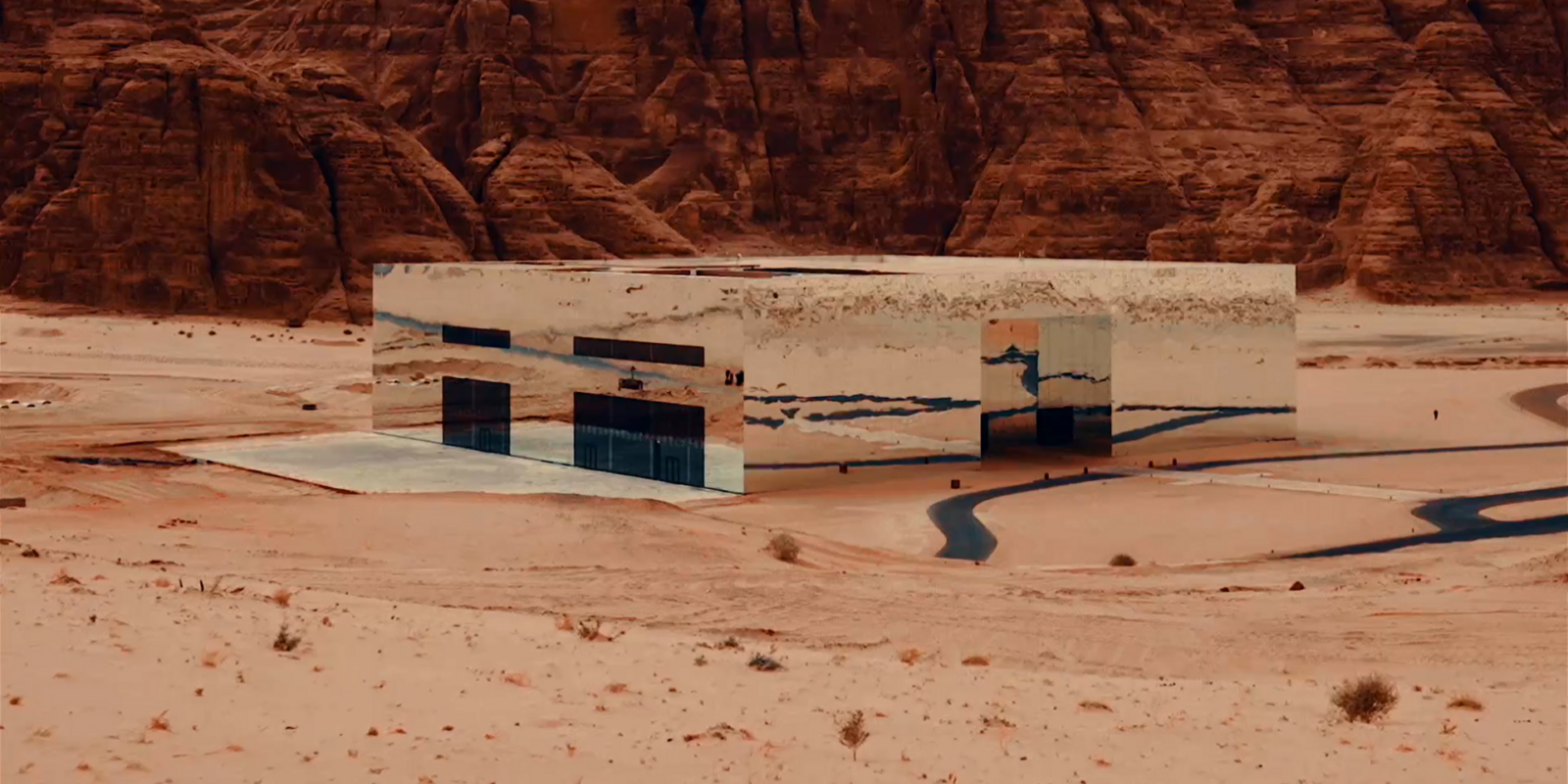
Peak alula season runs October to March, when the desert cools to comfortable daytime highs and the Winter at Tantora festival fills the hotels, so if you want the best weather and the most going on, that is your window. But the alula season you should actually book depends on what you are optimising for: weather, crowds or price. I have split the year into three bands here, peak, shoulder and off, with real temperatures, rough price gaps and honest trade-offs. The short version is that November to February is the golden alula season for weather and events and also the most expensive, late October and late March give you value with tolerable heat, and July to August is rock-bottom cheap but genuinely brutal in the heat.
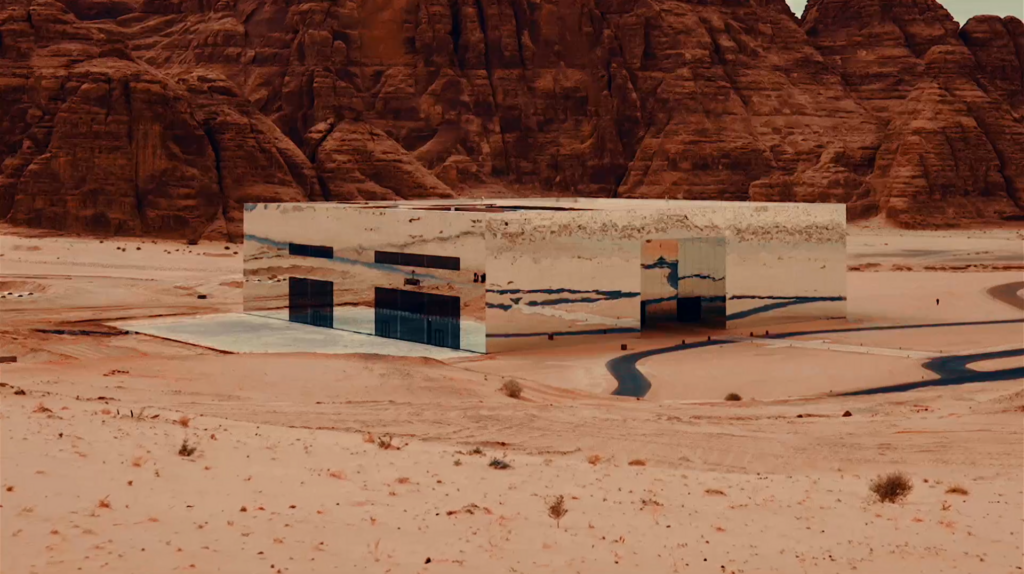
In this guide
- The short answer on when to go
- Peak AlUla season: October to March
- Winter at Tantora: the busiest weeks
- Shoulder season: the value sweet spot
- Off-season: the cheapest time to visit AlUla
- Ramadan and the AlUla season
- What to pack, by season
- AlUla season prices and temperatures at a glance
- How to choose your window
- Frequently asked questions
The short answer on when to go
If you only read one line, this is it. The best alula season for comfortable weather plus the fullest events calendar is November to February, and you should expect to pay for it. The cheapest alula season is July and August, when hotel rates fall well below the rest of the year but daytime highs sit around 41 to 42 Celsius. The smartest value picks in the alula season, in my view, are late October and the second half of March, when the heat is manageable and rates have not yet spiked. Everything below explains why, month by month, so you can match the season to your own priorities.
Peak AlUla season: October to March
Peak alula season is the cool half of the year, roughly October to March. Daytime highs during this stretch generally sit in the comfortable low-to-high twenties Celsius, which is exactly the weather you want for walking around Hegra, hiking the trails or sitting out at a desert dinner. Nights get genuinely cold, often single digits in December and January, so pack a proper jacket. This is when AlUla feels designed to be visited.
It is also when everyone else shows up. Peak alula season overlaps with the region’s flagship events programme, and hotels, tours and the better restaurants book out weeks ahead. Expect to pay roughly 15 to 30 percent more for a room than you would in the off-season, and the top properties can be far higher during festival dates. If you are set on this window, book your Hegra slot and your accommodation as early as you reasonably can.
The upside is that everything is open and running at full tilt. The Hegra hop-on hop-off tour runs through the cool months, seasonal dining pops up, and the whole valley is geared for visitors. For most first-timers, the trade of higher prices for reliable weather and a full calendar is worth it, and this is the alula season I would point a first visit toward. If you want the granular numbers, our best time to visit AlUla guide breaks the decision down further.
What peak feels like day to day
A quick word on what peak actually feels like on the ground. In December and January you will genuinely want layers: a sunny afternoon at Hegra can be twenty-two degrees and glorious, then the temperature drops fast once the sun goes and a desert dinner at night can be near freezing. Days are shorter too, so you lose usable sightseeing light by around five in the evening, which matters when you are trying to fit Hegra, Dadan, the Old Town and Elephant Rock into a couple of days. Plan tighter itineraries in the depths of peak alula season than you would in spring.
Winter at Tantora: the busiest weeks
Within peak alula season there is a peak-of-the-peak, and it is called Winter at Tantora. This is AlUla’s flagship festival, the event that first put the oasis on the international map, built around live concerts, art, food and heritage programming staged in and around Old Town and the concert venues. The 2025 to 2026 edition ran from 18 December 2025 to 10 January 2026, and future editions cluster around the same mid-December to mid-January window. You can confirm current dates and line-ups on the official Experience AlUla festival page.
That window is the single busiest and most expensive stretch of the entire alula season. Headline concerts sell out, the marquee hotels raise rates hard, and the town is at its liveliest and its most crowded at the same time. If seeing a big-name performer in the desert is the whole point of your trip, this is your window, but treat it as a book-months-ahead exercise, not a spontaneous one.
If your goal is the festival specifically, plan around the concert dates rather than the weather, because the two do not always line up with the cheapest flights. Our dedicated Winter at Tantora guide covers line-ups, venues and ticketing in more detail. If you are flexible, arriving a week either side of the festival gives you nearly the same weather at a noticeably calmer pace, which is often the smarter play in this part of the alula season.
Shoulder season: the value sweet spot
The shoulder months are where a lot of experienced travellers quietly aim: April, May, late October and November. These edges of the alula season give you tolerable-to-warm weather, thinner crowds and rates that sit below peak. April and May warm up steadily, with highs climbing from the pleasant high twenties into the thirties as you move toward summer, while late October and November cool back down from the summer furnace into comfortable territory.
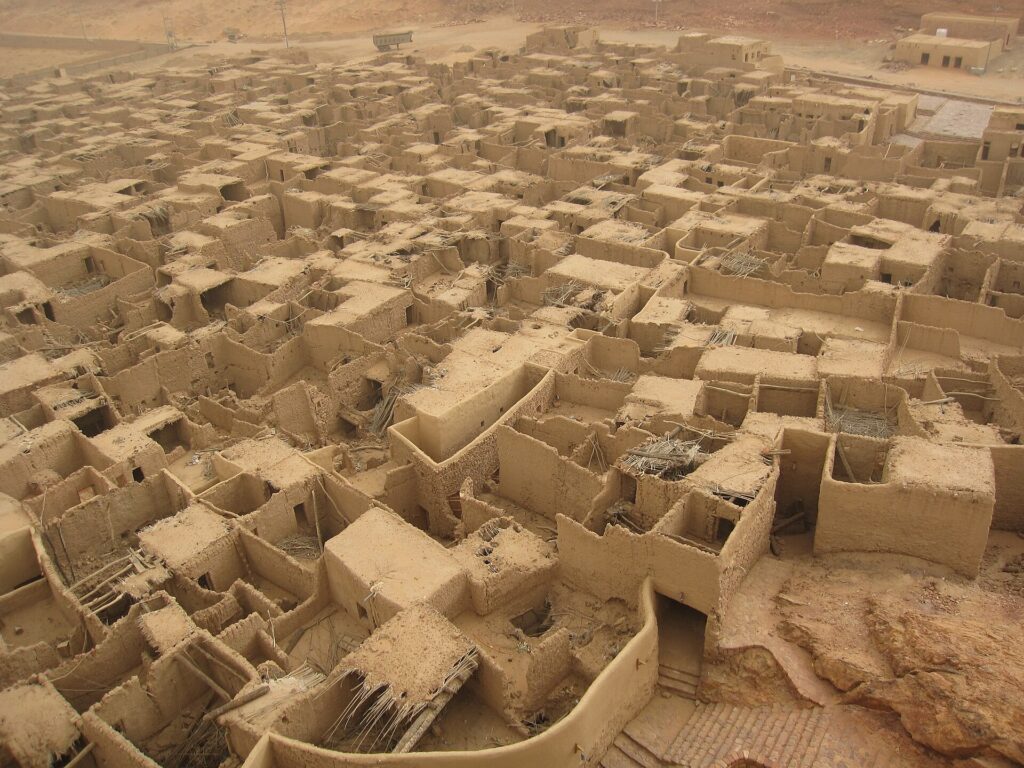
The trade-off is honest. In late April and May you are trading a little heat for a lot of value, and by midday it can feel hot enough that you will want your outdoor activities front-loaded into the morning. In return, this part of the alula season is quieter at the big sites, easier to book at short notice, and cheaper than the December-to-February crunch. For photographers, the softer crowds mean you can actually get a clean shot of the landmarks.
I think late October and late March are the sweet spot of the whole alula season: the heat has broken or not yet arrived, the festival premium has not kicked in, and you get most of the peak-season experience for meaningfully less money. If you like having options on where to sleep, this is also when the best area to stay in AlUla opens up without peak-night minimum stays and surge pricing. Treat the shoulder months as the value-hunter’s default.
Off-season: the cheapest time to visit AlUla
The off, or low, alula season is June through September, and it is defined by one thing: heat. Daytime highs regularly hit 38 to 42 Celsius and beyond, with July and August the worst of it, around 41 to 42 Celsius in the shade and no rain to speak of. This is not a small inconvenience; it genuinely reshapes how you can spend a day, and you should not pretend otherwise when planning this alula season.
The payoff is price. Hotel rates in the low season typically run around 15 to 25 percent below shoulder-season prices, which makes this the cheapest alula season by a clear margin. If your budget matters more than your comfort, and you are disciplined about timing, summer can work. Some restaurants and businesses also cut their midday hours in the hottest months, so lunch options can thin out right when you most want to be indoors.
The trick to surviving this alula season is scheduling around the sun. Do Hegra, the trails and anything outdoors at dawn or in the last hours before sunset, retreat to a pool or air-conditioning through the punishing midday block, and come back out in the evening when the desert finally cools. It is doable, and the emptiness of the sites is a real perk, but go in clear-eyed. Our guide to AlUla in summer has the full survival playbook for this stretch of the alula season.
Flights and access follow the same curve as the hotels. During the busiest weeks of the alula season, direct and connecting seats into AlUla fill up and fares rise, while in the quiet summer stretch you will find both cheaper flights and much wider availability. If you are locked into festival dates, sort your flights the moment you commit, because they tend to be the first thing to sell out and the last thing to come down in price. However you arrive, check how to get to AlUla in advance, because routes and frequency shift with the season.
Ramadan and the AlUla season
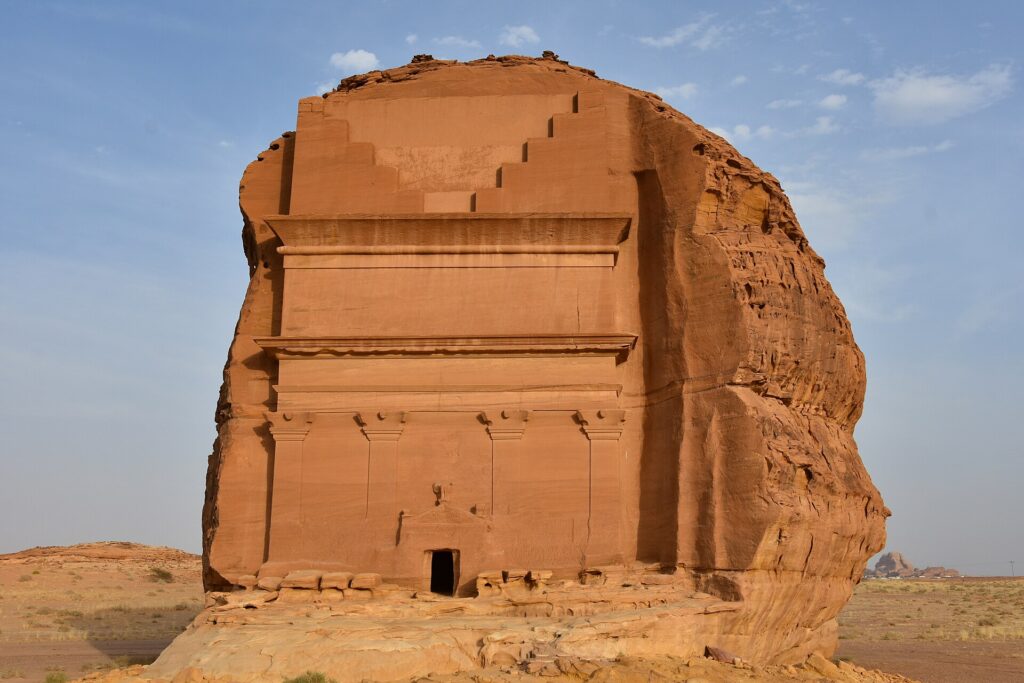
Ramadan is its own thing inside the alula season and worth planning around deliberately. In 2026 it falls approximately 18 February to 19 March, with Eid al-Fitr around 20 March, though exact dates depend on the moon sighting. During Ramadan the rhythm of the day shifts: heritage sites such as Hegra, Saudi Arabia’s first UNESCO World Heritage Site, and nearby Dadan may run reduced daytime hours, while evenings come alive after the fast is broken.
For travellers this cuts both ways within the alula season. Daytime dining is limited and some services slow down, so a packed sightseeing schedule needs adjusting. But the evening atmosphere is special, and some accommodations have offered Ramadan discounts of up to 45 percent, which can make this an unexpectedly good-value slice of an otherwise peak-priced alula season. If you are respectful of local customs and happy to run on an evening-heavy schedule, it can be a memorable time to come.
What to pack, by season
Packing changes a lot across the alula season, and getting it wrong is a common rookie error. In the peak winter months bring layers you can shed and re-add: a t-shirt for the afternoon, a warm mid-layer and a proper jacket for the cold desert nights, plus a hat and strong sunscreen because the daytime sun is still fierce even when the air is cool. In shoulder months you can drop the heavy jacket for a light one. In the summer low season it is all about heat management, breathable long sleeves that protect from the sun, a wide-brim hat, electrolytes and far more water than you think you need. Sturdy closed shoes for the rocky trails are non-negotiable in every season.
AlUla season prices and temperatures at a glance
Here is the whole alula season summarised. Temperatures are typical daytime highs; the price column is relative to the cheapest summer months. Hegra tours are booked separately through the official gateway and are roughly stable year-round, from around SAR 95 per person for a standard tour and from about SAR 150 for the hop-on hop-off.
| Months | Season | Typical daytime high | Crowds | Relative hotel price |
|---|---|---|---|---|
| Jun–Sep | Off / low | 38–42°C | Very light | Cheapest (baseline) |
| Late Oct & late Mar | Shoulder (best value) | 25–32°C | Moderate | ~15–25% above baseline |
| Apr–May | Shoulder | 28–35°C | Moderate | ~15–25% above baseline |
| Nov & early Dec / Feb–early Mar | Peak | 22–28°C | Busy | ~30–45% above baseline |
| Mid-Dec – mid-Jan (Winter at Tantora) | Peak of peak | 18–24°C | Busiest | Highest of the year |
How to choose your window
So how do you actually pick your alula season window? Start with your single biggest priority and work backward. If it is weather and events and money is secondary, book November to February and accept the premium. If it is value with weather you can still enjoy, target late October or the back half of March. If it is the lowest possible price and you can handle real heat, go July or August and schedule around the midday sun.
A few practical notes that apply across the whole alula season. Book your Hegra tour slot before you book anything else in peak and festival periods, because the official slots are the true bottleneck, not the hotels. Whatever month you choose, mornings are almost always the best time to be at the big sites for both light and temperature, and to compare months in detail our AlUla weather month by month breakdown is the companion to this piece. Match the alula season to your priority, book the choke points early, and the rest falls into place.
To recap: peak alula season delivers the best weather and the biggest events at the highest prices; shoulder season trades a little heat for real value; and the off-season is the cheapest alula season if you can take the summer furnace.
Frequently asked questions
When is peak season in AlUla?
Peak alula season runs from October to March, and the busiest, most expensive point within it is the Winter at Tantora festival, usually staged from mid-December to mid-January. This is when the weather is best and the events calendar is fullest, so it is also when hotels, tours and restaurants sell out earliest. Book well ahead if you are targeting this stretch of the alula season.
What is the cheapest time to visit AlUla?
The cheapest alula season is high summer, roughly June to September and especially July and August, when hotel rates typically run around 15 to 25 percent below shoulder-season prices. The catch is heat: daytime highs sit around 41 to 42 Celsius. If you can schedule sightseeing for early morning and evening and hide from the midday sun, summer offers by far the best value of the year.
Which months are shoulder season in AlUla?
Shoulder season covers April, May, late October and November. These months give you warm-to-hot but manageable weather, thinner crowds and rates below peak. In my view late October and the second half of March are the sweet spot of the whole alula season, offering most of the peak experience without the festival premium or the summer furnace.
Is AlUla worth visiting during Ramadan?
It can be, if you adjust your expectations. During Ramadan, which falls approximately 18 February to 19 March in 2026, some heritage sites run reduced daytime hours and daytime dining is limited, but evenings come alive and some hotels have offered discounts of up to 45 percent. It is a quieter, more atmospheric and often cheaper slice of the alula season for respectful travellers happy to run on an evening schedule.
How far ahead should I book AlUla?
For the Winter at Tantora window and the December-to-February core of peak alula season, book hotels and your official Hegra tour slot months in advance, because the site slots are the real bottleneck. For shoulder months you can often book a few weeks out, and in the summer low season availability is wide open right up to your travel dates.