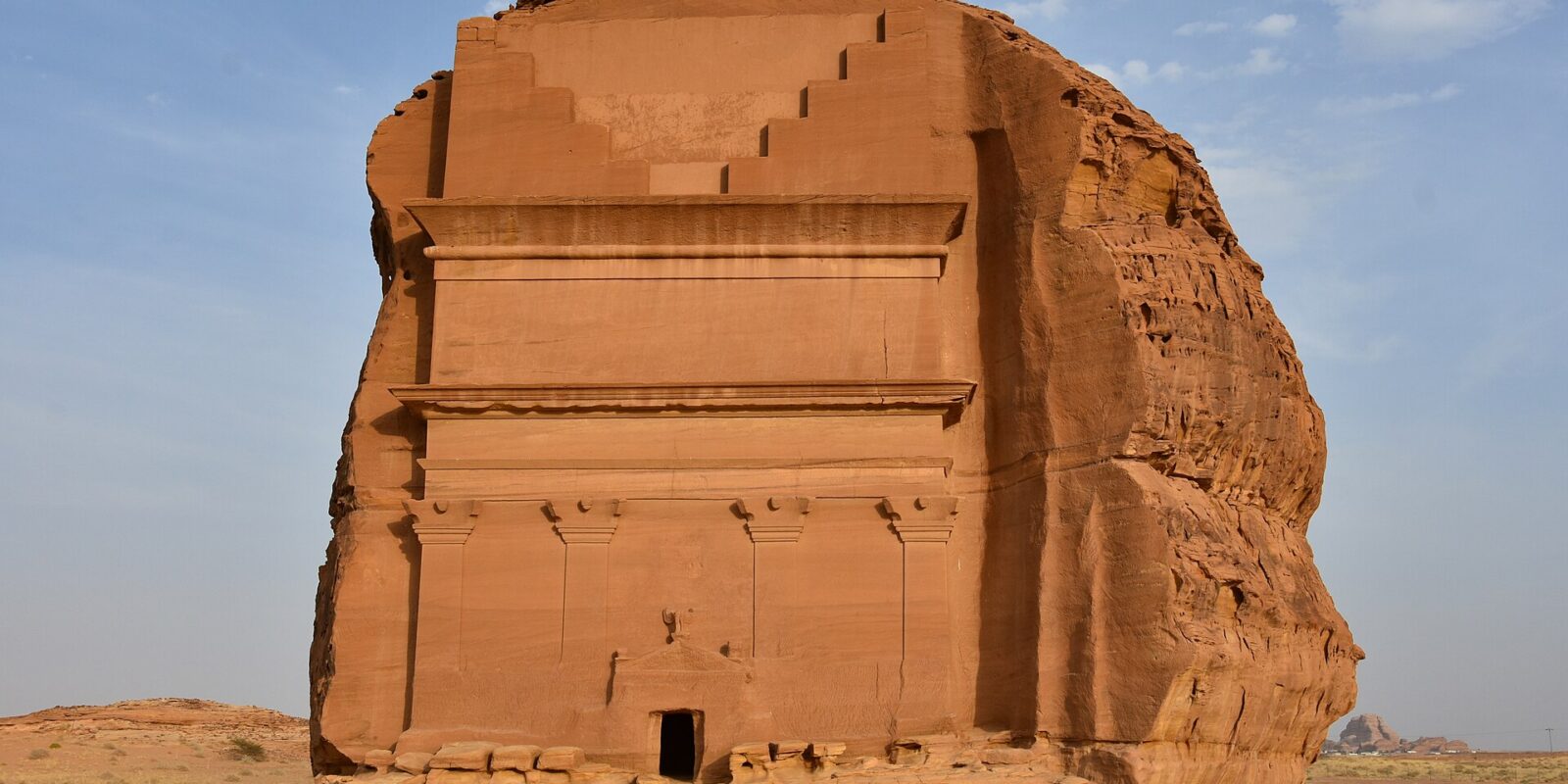
The history of Hegra stretches back more than four thousand years, from Bronze Age cairn tombs to the Nabataean stonemasons who carved its famous rock-cut facades. If you want the short version: Hegra was the southern, second city of the Nabataean kingdom (Petra was the capital), it grew rich taxing the frankincense and spice caravans of the Incense Road, and Rome absorbed it in 106 CE. I have walked the site twice, and understanding the history of Hegra before you arrive genuinely changes how you read every tomb. This guide covers who built Hegra, how old it is, and how to see all of that on the ground today.
In this guide
- The history of Hegra in one quick answer
- Before the Nabataeans: Dadan and Lihyan
- The Nabataeans and the history of Hegra
- The Incense Road: how trade shaped Hegra
- Rome, decline and the later history of Hegra
- How to read the history of Hegra on the ground
- Hegra vs Petra in context
- Practical tips for exploring Hegra today
- Frequently asked questions
The history of Hegra in one quick answer
Here is the history of Hegra in a nutshell, because most people arrive with the same three questions: who built it, how old is it, and why is it out here in the desert. The site was founded as a Nabataean city around the 2nd century BCE, though people had been buried at the location far earlier. It peaked roughly between 50 BCE and 106 CE, when its skilled carvers cut 111 monumental tombs into the sandstone outcrops.
The engine behind all of it was trade. Hegra sat on the caravan route that carried frankincense, myrrh and spices north from southern Arabia. The full history of Hegra runs deeper than the Nabataeans, though, and to understand it you have to start with an older kingdom just down the valley.
| Period | Approx date | What happened |
|---|---|---|
| Earliest traces (cairn tombs) | Late 3rd / early 2nd millennium BCE | First human burials at the site |
| Dadan & Lihyan kingdoms | ~7th–2nd century BCE | Nearby Dadan is the regional capital and caravan stop |
| Nabataean founding of Hegra | ~2nd century BCE | Nabataeans establish the city |
| Golden age | ~50 BCE – 106 CE | 111 monumental tombs carved; dated inscriptions 1 BCE–74 CE |
| Roman annexation | 106 CE | Rome absorbs the Nabataean kingdom under Trajan |
| Decline | After the 7th century CE | Trade routes shift; rise of Islam |
Before the Nabataeans: Dadan and Lihyan
The history of Hegra does not begin with the Nabataeans. Long before their masons arrived, the earliest human traces at the site were simple cairn tombs dating back to the late 3rd or early 2nd millennium BCE. So people were already living and dying in this valley when the Egyptian pyramids were relatively new.
The bigger story sits about 20 km south, at Dadan (modern Al-Khuraybah, near AlUla town). Dadan was the capital of two successive kingdoms, the Dadanites and then the Lihyanites, who thrived from roughly the 7th to the 2nd century BCE. They grew rich on the same caravan trade the Nabataeans would later dominate.
You can still see the Lihyanite lion tombs cut high into the cliff at Dadan, plus the astonishing wall of inscriptions at nearby Jabal Ikmah. By the 1st century BCE, Hegra had overtaken Dadan as the main rest stop on the route, and the centre of gravity in the region shifted north. That handover from Dadan to Hegra is one of the pivotal turns in the whole history of Hegra.
The Nabataeans and the history of Hegra
The Nabataeans are the people most travellers mean when they ask about the history of Hegra. They were originally nomadic Arab traders who, over a few centuries, built a wealthy kingdom stretching from the Sinai and the Negev down into north-west Arabia, with their capital at Petra in modern Jordan.
Hegra was their southernmost major settlement, effectively the second city of the kingdom. It was a frontier hub: a place to water camels, collect customs duties, resupply caravans and bury the wealthy in tombs that advertised their status.
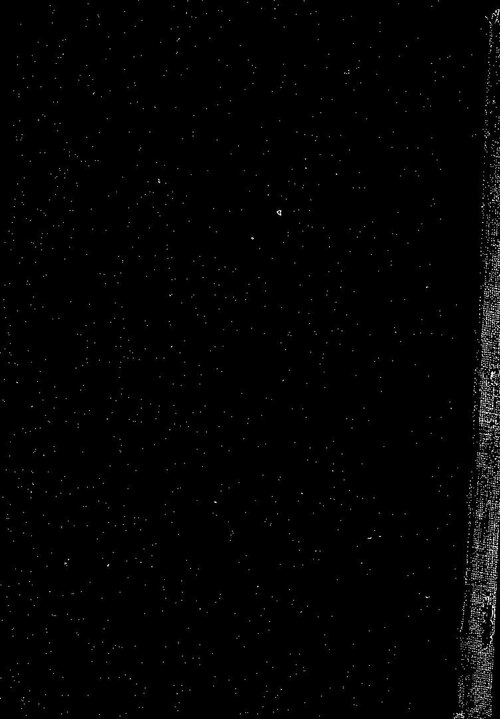
What makes the Nabataean chapter of the history of Hegra so vivid is that it is dated. Many of the 111 monumental tombs carry inscriptions naming the owner and even the mason, with dates clustering between 1 BCE and 74 CE. The most famous, Qasr al-Farid, the “Lonely Castle,” is the tomb of Lihyan son of Kuza, a roughly 22-metre monolith left deliberately unfinished, its lower third still bearing raw chisel marks.
These are not temples or houses. Hegra was a city of the dead as much as the living, and it is those decorated facades, blending Nabataean, Egyptian, Greek and Mesopotamian motifs, that earned it recognition. In 2008 Hegra became Saudi Arabia’s first UNESCO World Heritage Site. If you want a closer look at the tombs themselves, I go deep on them in the guide to the monumental Hegra tombs.
The Incense Road: how trade shaped Hegra
You cannot separate the history of Hegra from the commodity that built it: incense. Frankincense and myrrh are tree resins harvested in what is now southern Oman and Yemen, and in antiquity they were burned in temples and homes across the entire Mediterranean and Near East. Demand was enormous and the supply was hundreds of kilometres of desert away.
That desert gap is exactly where the Nabataeans made their fortune. They controlled the wells, the routes and the stopping points, and both Hegra and Dadan served as stopover and customs stations on the Incense Road. Caravans paid to rest, to water, and to pass safely.
Think of the history of Hegra as the story of a toll booth that grew into a city. The wealth on display in the tombs is essentially taxed frankincense, converted into carved sandstone. When the trade thrived, so did Hegra; when it faltered, the city had little else to fall back on.
Rome, decline and the later history of Hegra
The turning point in the later history of Hegra came in 106 CE. In that year, under the emperor Trajan, Rome annexed the Nabataean kingdom and turned it into the province of Arabia Petraea. Roman troops were stationed in the region, and a Roman-era inscription has even been found at Hegra itself, showing the site stayed occupied under the new administration.
Annexation did not end Hegra overnight, but it changed the economics. Rome increasingly moved goods by sea via the Red Sea ports, and the overland caravan trade that had justified a city out here slowly lost its edge. The later history of Hegra is one of gradual fading rather than dramatic destruction.
By the 7th century CE, with the rise of Islam and further shifts in trade patterns, the city had largely declined. In Islamic tradition the area is linked to the people of Thamud, which is why it later became known as Mada’in Salih. I unpack that religious dimension separately in the piece on the older name Mada’in Salih and the Thamud story, because it is a genuinely important layer of the history of Hegra for many Saudi visitors.
How to read the history of Hegra on the ground
The best part of learning the history of Hegra is that you can literally walk through it. The site is huge, spanning more than 1,600 hectares, and the current visitor experience is built around a guided route that moves between clusters of tombs and a few key natural landmarks.
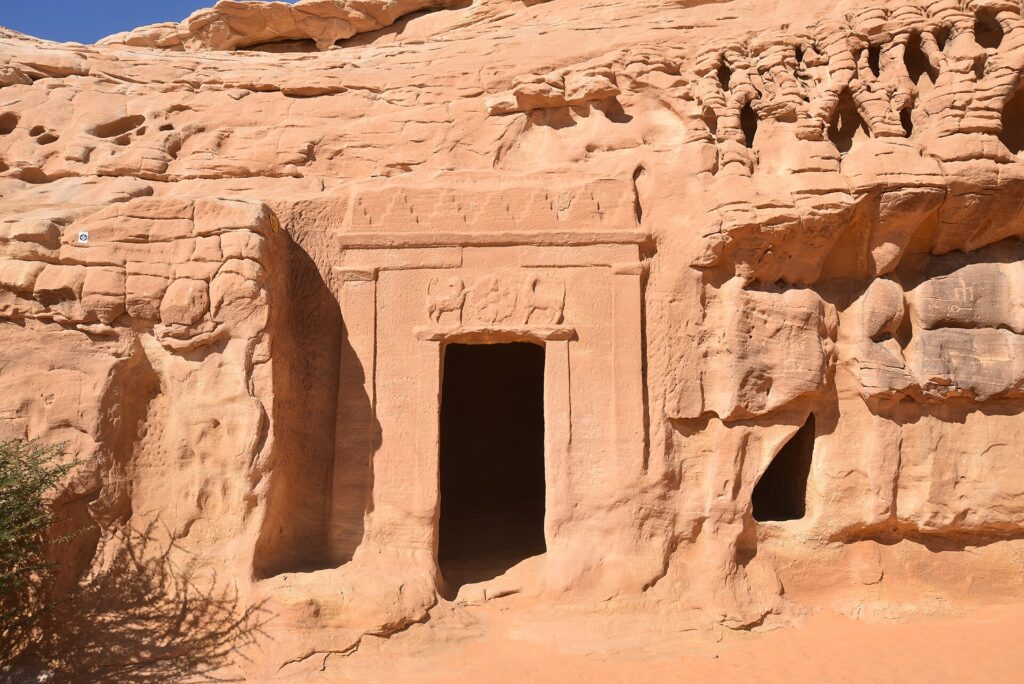
A few things I would flag so you actually read the layers rather than just photograph them:
- Qasr al-Farid — the unfinished “Lonely Castle.” The rough lower third shows exactly how the masons worked top-down.
- Jabal Ithlib and the Siq — a natural cleft in the rock with a small religious complex, echoing Petra’s own siq on a miniature scale.
- Tomb inscriptions — look for the carved text above the doorways; these dated legal notices are why the history of Hegra is so precisely known.
- Weathering — the softer sandstone facades have eroded differently depending on which way they face the wind.
Guides are compulsory (you cannot self-drive inside the archaeological zone), and honestly that is a good thing here, because the history of Hegra is not self-explanatory from the stones alone. A decent rawi (storyteller-guide) is what turns a field of rocks into a coherent narrative.
Hegra vs Petra in context
Almost everyone compares Hegra to Petra, and the comparison is fair because both were Nabataean and share the same carving tradition. The honest difference: Petra is grander and busier, while Hegra is quieter, better preserved in places, and far less crowded. On my visits I frequently had a tomb cluster essentially to myself, which almost never happens at Petra.
Understanding the history of Hegra actually makes Petra more legible too, since Hegra was the southern outpost of the same kingdom. If you are weighing a trip, I compare them directly in how AlUla compares with Petra. The trade-off is real, though: Hegra has fewer standing structures than Petra’s Treasury-and-monastery drama, so set expectations accordingly.
Practical tips for exploring Hegra today
Knowing the history of Hegra is only half the trip; you still have to physically get there and book the right ticket. Here are the concrete numbers I would want before booking, checked at the time of writing for the 2025–2026 season. Prices move, so treat them as a guide and confirm on the official site.
| Item | Detail (2025–2026, approx) |
|---|---|
| Hegra guided day tour (from) | From around SAR 95 per person |
| Hop-on hop-off tour (seasonal) | From around SAR 150 per person |
| Private premium 4×4 tour | From around SAR 1,000 per vehicle (up to 7 seats) |
| Monumental tombs on site | 111 |
| Drive: Medina → AlUla | ~300–330 km, about 3–4 hours |
| Flight: Riyadh → AlUla (ULH) | ~1 h 55 m, roughly 11 flights/week |
| Self-driving inside Hegra | Not permitted (guided transport only) |
Most visitors fly into AlUla (ULH) on flynas from Riyadh or drive up from Medina in three to four hours. Book Hegra tours in advance through the official Experience AlUla gateway, because daily tour slots are genuinely limited and sell out in peak season.
Practically, October to March is the comfortable window; summer midday heat out here is brutal. For a full logistics walk-through see how to visit Hegra, and if you are building a wider itinerary, the guide to things to do in AlUla pairs the history of Hegra with Dadan, Jabal Ikmah and Elephant Rock so the whole story clicks into place.
Frequently asked questions
How old is Hegra?
The Nabataean city was founded around the 2nd century BCE, but the history of Hegra goes back much further: the earliest cairn tombs on the site date to the late 3rd or early 2nd millennium BCE, so there is roughly four thousand years of human activity here.
Who built Hegra?
The monumental tombs were built by the Nabataeans, an Arab trading people whose capital was Petra. Hegra was their southern, second city. Earlier chapters of the history of Hegra belong to the Dadanites and Lihyanites, based at nearby Dadan.
Is Hegra the same as Mada’in Salih?
Yes. Hegra is the ancient Nabataean name; Mada’in Salih (“Cities of Salih”) is the later Islamic name tied to the story of the Thamud people. Both refer to the same UNESCO site, and both names matter to the history of Hegra.
Why did Hegra decline?
Rome annexed the Nabataean kingdom in 106 CE and increasingly shifted trade to sea routes, which undercut the overland caravans. The city gradually faded, and by the 7th century CE, with the rise of Islam and further trade changes, the later history of Hegra is one of slow decline.
Can you visit Hegra today?
Yes. Hegra reopened to visitors and is toured via official guided transport booked through Experience AlUla, from around SAR 95 per person. You cannot self-drive inside the site, but a guide is the best way to actually understand the history of Hegra on the ground.