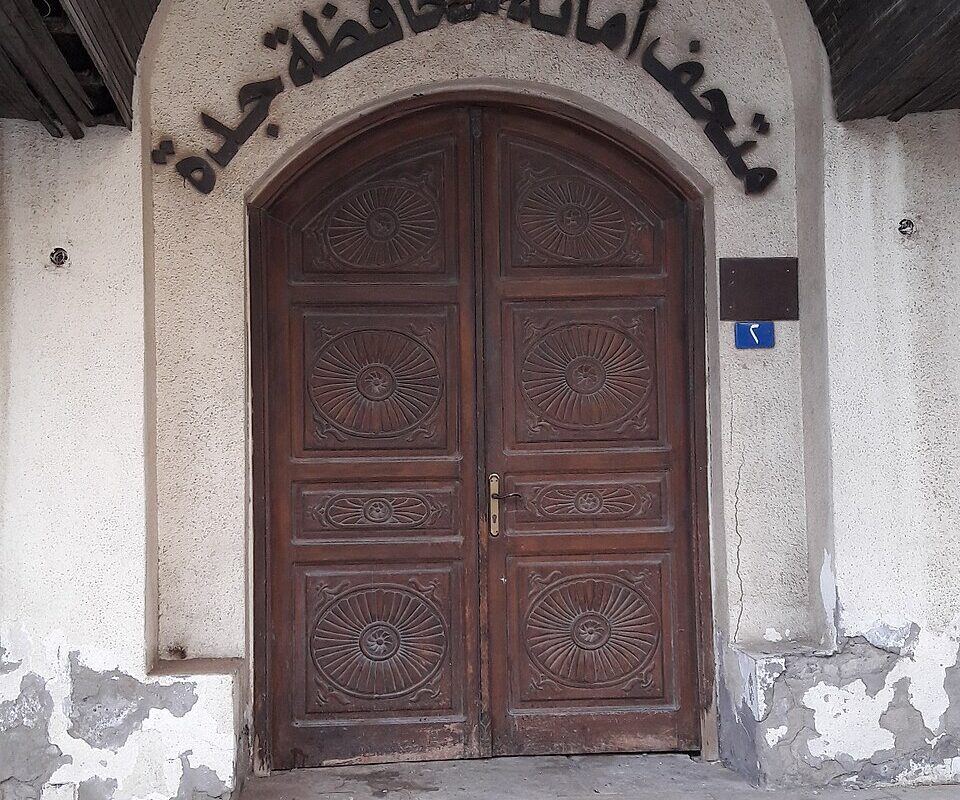
If you are hunting for the best things to do in Jeddah, start with three free ones: wander the coral-stone lanes of UNESCO-listed Al-Balad, watch King Fahd’s Fountain shoot seawater 312 metres into the sky, and walk the Red Sea Corniche at sunset. Jeddah is Saudi Arabia’s laid-back coastal gateway, and most visitors pass through on the way to AlUla or the Red Sea. I spent several days here across two trips, and the honest truth is that the city rewards travellers who slow down. Below are the 15 best things to do in Jeddah, with real prices, opening hours and the trade-offs nobody mentions.
Quick answer: the best things to do in Jeddah
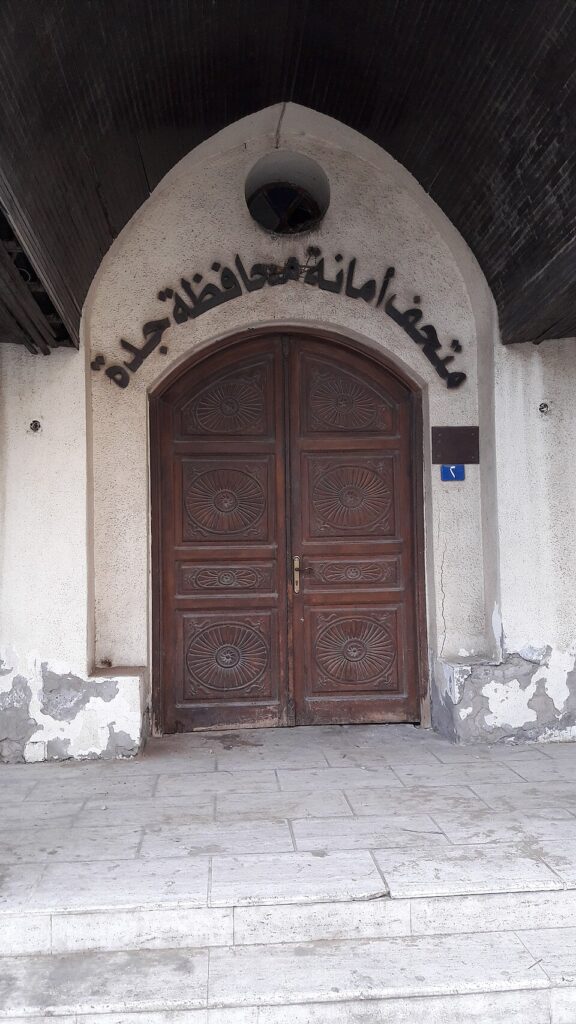
Short on time? The unmissable things to do in Jeddah are Al-Balad (Historic Jeddah), the Corniche waterfront, King Fahd’s Fountain, the Al-Rahma Floating Mosque, and a snorkelling or diving trip out to the Red Sea reefs. Add the open-air Jeddah Sculpture Museum and Fakieh Aquarium if you have a spare afternoon. Most of the headline sights are free, and you can cover the core list in two full days.
In this guide
- Al-Balad (Historic Jeddah), a UNESCO World Heritage Site
- King Fahd’s Fountain, the world’s tallest
- Walking the Jeddah Corniche
- The Al-Rahma Floating Mosque
- Red Sea diving and snorkelling
- Jeddah Sculpture Museum
- Fakieh Aquarium
- More things to do in Jeddah
- Best time for things to do in Jeddah
- Getting around and practical tips
- Jeddah as a gateway to AlUla
- Frequently asked questions
Al-Balad (Historic Jeddah), a UNESCO World Heritage Site
If you do only one of the many things to do in Jeddah, make it Al-Balad. This is the old walled town, inscribed by UNESCO in 2014 as Historic Jeddah, the Gate to Makkah. More than 600 coral-stone buildings survive here, many topped with the carved wooden bay windows called rawasheen that once caught the sea breeze before air conditioning existed.
Street access is free and the lanes are open 24/7. I found the district most atmospheric after around 4pm, when the light softens and the souqs wake up. Start at Naseef House, the restored merchant mansion where King Abdulaziz once stayed, then get deliberately lost in the alleys toward Souq Al-Alawi.
Honest downside: some buildings are propped up with scaffolding and closed for restoration, and the area can feel run-down in patches. Go anyway. For a deeper dive into the district’s history, mosques and best cafes, read our dedicated Al-Balad Jeddah guide. It is comfortably the most rewarding of the cultural things to do in Jeddah.
Practical tips for Al-Balad
- Wear closed shoes — the cobbles are uneven and dusty.
- Bring small cash (SAR) for the souqs; card acceptance is patchy.
- Visit during the annual Jeddah Historic District season (usually winter) for lit-up buildings and pop-up exhibitions.
King Fahd’s Fountain, the world’s tallest
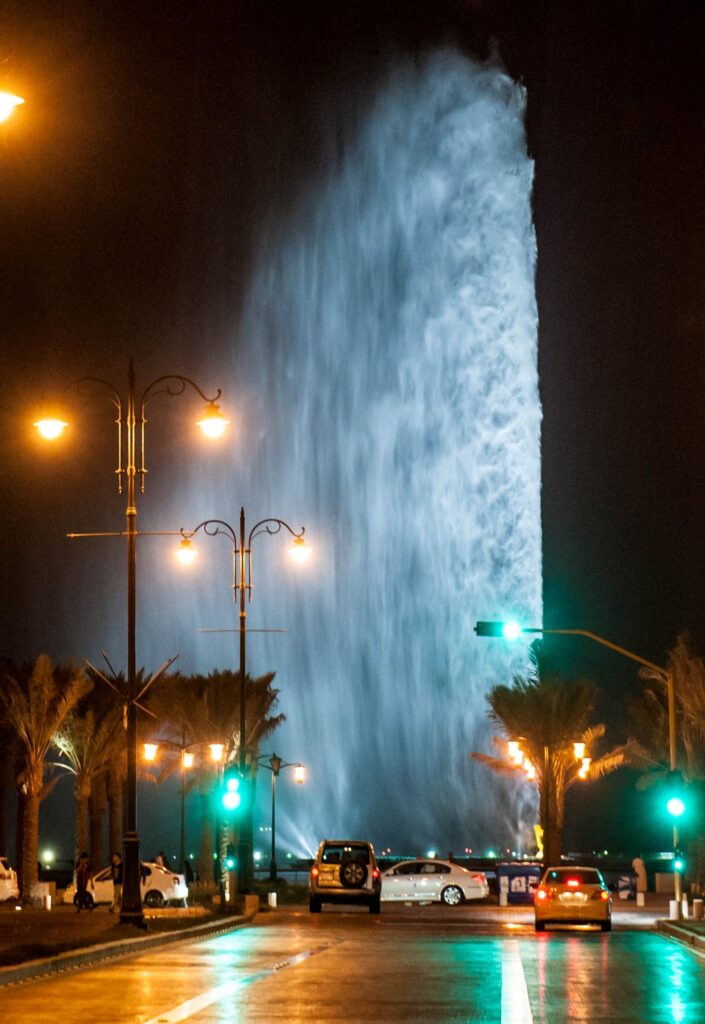
King Fahd’s Fountain jets seawater to roughly 312 metres (1,024 ft), which makes it the tallest fountain in the world. It sits just off the Corniche, and pumping saltwater at around 625 litres per second, the column is visible from much of the coastline. Viewing it costs nothing — this is one of the genuinely free things to do in Jeddah.
The fountain is lit after dark and generally runs until around midnight, though it can be switched off on windy days for safety, so do not build an entire evening around it. The best vantage points are the Corniche promenade near the Al-Rahma Mosque and the outdoor cafes along the waterfront. Come at dusk for the light show against the Red Sea.
Walking the Jeddah Corniche
The Corniche is Jeddah’s free waterfront promenade, and it is where the city comes to breathe. The full coastal strip runs around 30 km, but the recently renovated central stretch is about 4.2 km of smooth walkways, shaded seating, public art and swimming spots. Families picnic here late into the night, especially on weekends.
Among the outdoor things to do in Jeddah, an early-evening Corniche walk is my favourite. Rent a bike, grab a karak tea from a kiosk, and watch fishermen cast lines while the fountain plays offshore. There are designated swimming areas, but the water near the city is not the clear reef water you will find on a boat trip — manage expectations.
Entry is free and the promenade never closes, though it is busiest and safest-feeling from late afternoon onward. It links naturally to several other things to do in Jeddah, since the Sculpture Museum and Floating Mosque both sit along it.
The Al-Rahma Floating Mosque
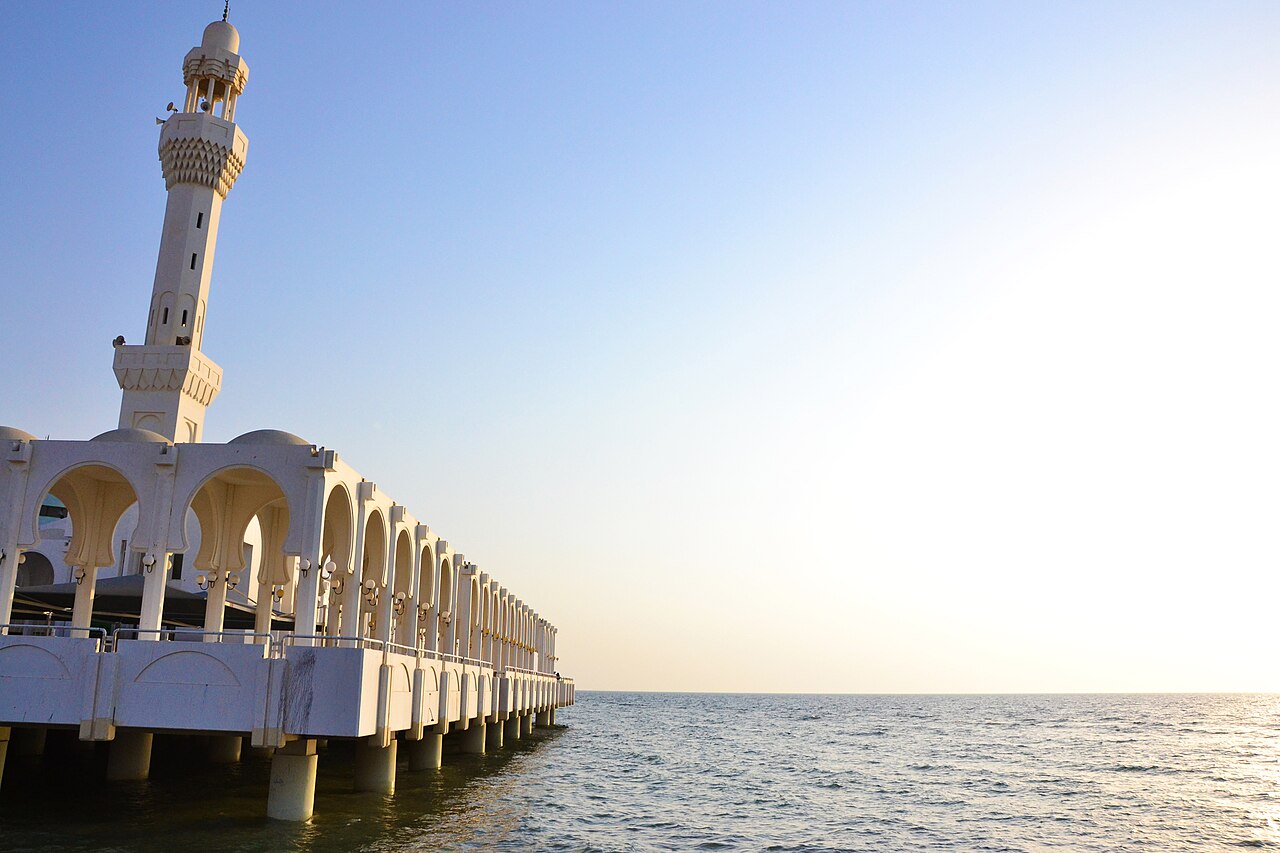
Built in 1985 and covering about 2,400 m², the Al-Rahma (Floating) Mosque appears to hover over the Red Sea at high tide, when the water rises around its base. It is one of the most photographed things to do in Jeddah, and rightly so — the white structure glows at sunset.
Entry is free outside the five daily prayer times, and non-Muslim visitors are generally welcome to admire the exterior; interior access can vary, so ask the attendants and be respectful. Modest dress is required: cover shoulders and knees, and women should carry a headscarf. Avoid visiting right at prayer times unless you intend to pray.
Red Sea diving and snorkelling
Jeddah is a serious Red Sea diving and snorkelling hub, and getting under the surface is one of the standout things to do in Jeddah for active travellers. A short boat trip offshore reaches coral reefs teeming with fish, and the visibility here regularly beats better-known dive destinations.
Half-day snorkelling trips typically run from around SAR 250–350 including gear, while a two-tank dive with a licensed centre usually starts near SAR 400–550 depending on the operator and boat. Book with an established dive centre north of the city; a few good ones sit near Obhur creek. The reefs are close enough that even nervous swimmers can join a snorkel trip and enjoy it.
Jeddah Sculpture Museum
The Jeddah Sculpture Museum is a free open-air park on the Corniche, displaying large works by internationally known 20th-century artists — figures like Henry Moore, Joan Miró and Alexander Calder among them. It is one of the more unexpected things to do in Jeddah, and it is completely free to wander.
The setting is simple: sculptures dotted across manicured lawns beside the sea. Go in the cooler morning or late afternoon, because there is little shade. Combined with a Corniche walk, it makes an easy hour and rounds out the artsy things to do in Jeddah.
Fakieh Aquarium
Fakieh Aquarium is Jeddah’s only public aquarium and a reliable option among indoor, air-conditioned things to do in Jeddah — useful in the brutal summer heat. It houses more than 200 marine species, plus dolphin and sea-lion shows that kids love.
At the time of writing, standard adult entry is around SAR 55, with the aquarium open roughly 10am to 11pm most days (Friday it opens later, from about 1:30pm). Check show times when you buy tickets, as the dolphin show runs only a few times a day. It is not a world-class aquarium, but it is a solid rainy-day-equivalent for a hot afternoon.
More things to do in Jeddah
Beyond the headline sights, several smaller experiences round out the best things to do in Jeddah. These fill an extra day nicely if you are not rushing off to AlUla or the mountains.
- Eat your way through Al-Balad’s food stalls — try foul, mutabbaq and fresh Red Sea fish grilled to order.
- Browse the souqs — Souq Al-Alawi for spices and oud, Bab Makkah for textiles and everyday bargains.
- Visit a modern mall — Red Sea Mall and Mall of Arabia are genuinely huge, and a normal part of local weekend life.
- Ride out to Obhur — the northern beach-and-resort strip, good for a day by clearer water.
- Catch an art show at Athr Gallery or one of the contemporary spaces if you like the region’s modern-art scene.
- Coffee culture — Jeddah’s specialty-coffee scene is excellent; the third-wave cafes are among the underrated things to do in Jeddah.
If you want a fully sequenced route through these, our 2-day Jeddah itinerary maps out which things to do in Jeddah pair well by neighbourhood and time of day.
Best time for things to do in Jeddah
Timing matters more here than almost anywhere in Saudi Arabia. The best months for outdoor things to do in Jeddah are October to March, when daytime temperatures are pleasant and evenings on the Corniche are lovely. From April to October, highs hit 37–40°C with heavy humidity, which turns midday sightseeing into a slog.
If you must visit in summer, front-load outdoor things to do in Jeddah into the early morning and after sunset, and use indoor sights like the aquarium and malls in the sweltering middle of the day. For a month-by-month breakdown of weather, crowds and prices, see our guide to the best time to visit Jeddah.
Prices, hours and distances at a glance
| Attraction | Typical cost (SAR) | Hours | Free? |
|---|---|---|---|
| Al-Balad (street access) | 0 | 24/7 | Yes |
| King Fahd’s Fountain (viewing) | 0 | Lit until ~midnight | Yes |
| Jeddah Corniche | 0 | 24/7 | Yes |
| Al-Rahma Floating Mosque | 0 | Outside prayer times | Yes |
| Jeddah Sculpture Museum | 0 | Daylight hours | Yes |
| Fakieh Aquarium | ~55 | ~10:00–23:00 (Fri from 13:30) | No |
| Snorkelling boat trip | ~250–350 | Half day | No |
| Two-tank Red Sea dive | ~400–550 | Half day | No |
Getting around and practical tips
Jeddah is spread out, so getting between the things to do in Jeddah almost always means a car. Uber and Careem both work well and are cheap by Western standards — most cross-town rides land between SAR 15 and SAR 40. Hailing on the apps is far easier than negotiating with street taxis.
- Airport: King Abdulaziz International (JED) sits north of the centre; a ride to Al-Balad or the Corniche is roughly 30–45 minutes depending on traffic.
- Dress: Modest clothing is expected. Women no longer need an abaya, but loose, covering clothes keep you comfortable and respectful; carry a scarf for mosques.
- Cash vs card: Cards are widely accepted, but keep some riyals for souqs, tips and boat crews.
- Prayer times: Shops and some attractions pause briefly at each of the five daily prayers — plan around them.
- Alcohol: There is none; do not expect a bar scene. The nightlife here is cafes, shisha and the Corniche.
Two full days is enough for the essential things to do in Jeddah; three lets you add a diving trip and Obhur without feeling rushed.
Jeddah as a gateway to AlUla
Many travellers treat Jeddah as a stopover before the headline act: AlUla and the ancient tombs of Hegra. It is a smart plan. Saudia flies direct from Jeddah to AlUla (JED–ULH) in about 1 hour 25 minutes, though at the time of writing the direct service runs only a few days a week (seasonally around March to October), per the airline’s official getting to AlUla information.
If flight days do not line up, connect via Riyadh or drive — but the drive is long (around 8–9 hours), so most people fly. For the full route breakdown, including fares and driving notes, see our guide on getting from Jeddah to AlUla. Slotting a night or two of Jeddah sightseeing before the flight is one of the smartest things to do in Jeddah when it is really just your entry point to the northwest.
To recap, the best things to do in Jeddah blend the free and the paid: Al-Balad, the Corniche, the fountain and the Floating Mosque cost nothing, while the aquarium and Red Sea diving are worth the modest spend. Get the timing right — October to March — and the city is a genuine highlight, not just a layover.
Frequently asked questions
What are the top free things to do in Jeddah?
The best free things to do in Jeddah are exploring Al-Balad’s coral-stone streets, walking the Corniche, viewing King Fahd’s Fountain, admiring the Al-Rahma Floating Mosque, and strolling the open-air Jeddah Sculpture Museum. All five cost nothing to enter or view.
How many days do you need in Jeddah?
Two full days covers the essential things to do in Jeddah — Al-Balad, the Corniche, the fountain and the Floating Mosque. Add a third day if you want a Red Sea diving or snorkelling trip, or a slower afternoon in Obhur.
Is Jeddah worth visiting, or just a stopover?
Jeddah is worth at least a night or two in its own right. Its UNESCO old town and Red Sea setting give it more character than most Gulf gateway cities, so even if you are transiting to AlUla, the things to do in Jeddah justify a real stop.
When is the best time to visit Jeddah?
October to March is the best window for things to do in Jeddah, with comfortable temperatures for outdoor sightseeing. Summer (April to October) brings 37–40°C heat and high humidity, so plan indoor activities for midday if you travel then.
Do I need to cover up at Jeddah’s attractions?
Modest dress is expected across the things to do in Jeddah. Women no longer need an abaya but should dress conservatively and carry a headscarf for mosques; men should avoid shorts at religious sites. Cover shoulders and knees to stay comfortable and respectful.